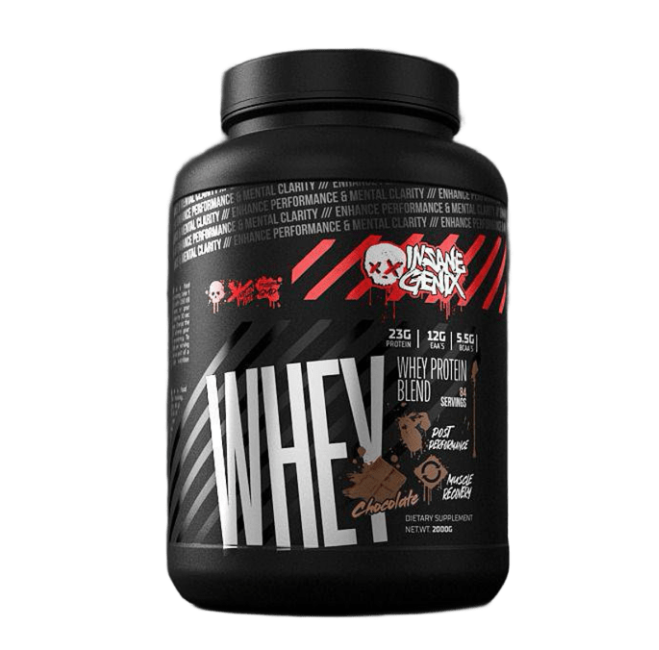
Protein Powder for Teenagers: A Parent's and Young Athlete's Complete Guide
Between growth spurts, sports practice, and school stress, most teenagers' protein needs quietly go unmet. Here's a parent-friendly, science-backed breakdown of when supplementing actually makes sense — and how to pick a formula that's clean, safe, and age-appropriate.
It usually starts with a simple question at the dinner table: "Mom, can I have a protein shake like the guys at the gym?" For a lot of Indian households, that one line opens up a rabbit hole of Google searches, gym-bro advice, and half-true WhatsApp forwards about supplements ruining a teenager's kidneys or stunting growth.
The truth sits somewhere in the middle — and it's a lot less dramatic than the internet makes it sound.
Teenage years are one of the few windows in life where the body is building muscle, bone, and tissue at a genuinely rapid pace. Add in football practice, swimming trials, or just an active, growing body, and protein requirements can climb higher than what a typical Indian thali comfortably provides. That's the real reason "best protein powder for teenagers" has become such a common search — not because every teenager needs a tub of powder, but because many actually do fall short on protein without realizing it.
This guide walks through what protein powder actually does for a teenager, how much protein is genuinely needed, what separates a safe formula from a risky one, and how to make a sensible choice without falling for marketing noise.
Do Teenagers Even Need Protein Powder?
Let's address the elephant in the room first: no teenager needs a shaker bottle to grow up healthy. Whole foods — eggs, dal, paneer, chicken, milk, fish — should always form the foundation of a teenager's diet. Protein powder is a supplement in the truest sense of the word; it supplements a diet, it doesn't replace one.
That said, real life gets in the way of textbook nutrition. School timings, tuition classes, sports training, and simply being a picky teenage eater often mean protein intake quietly falls short of what an active body needs. This is where a well-chosen protein powder for teenagers becomes less of a luxury and more of a practical fix — a fast, convenient way to close the gap between what a teen eats and what their body is actually asking for.
The key word here is choice. Not every product on a supplement store shelf is built with a teenager's body in mind, and that distinction matters more than most people realize.
How Much Protein Does a Teenager Actually Need?
Protein requirements for teenagers vary based on age, body weight, activity level, and whether they're involved in competitive sport. As a general reference point:
Moderately active teens: roughly 0.8–1.0 grams of protein per kilogram of body weight per day Teens involved in regular sports or strength training: 1.2–1.6 grams per kilogram per day Teens in intense training cycles (competitive swimming, athletics, wrestling, etc.): can go slightly higher, ideally under a coach or dietitian's guidance
For a 15-year-old weighing 55 kg and playing competitive football three times a week, that could mean anywhere from 65 to 90 grams of protein a day. Most Indian diets, even reasonably balanced ones, tend to land on the lower end of that range — which is exactly why a scoop of the right whey protein for teens after practice can make a noticeable difference in recovery and growth.
What Makes a Protein Powder "Safe" for a Teenager?
This is the part that actually matters, and it's where most buying guides fall short. Not every protein powder is created equal, and for a growing body, the difference isn't just about taste or brand popularity — it's about what's not in the tub.
- Protein Source and Purity
Whey protein isolate is generally a better starting point for teenagers than whey concentrate or unregulated mass gainers. Isolate goes through additional filtration, which strips out most of the lactose, fat, and carbohydrate, leaving a cleaner, more concentrated protein source. This matters for teens who may have mild lactose sensitivity or who simply don't need the extra sugar and calories that come bundled into cheaper blends.
- Low Added Sugar
A lot of budget protein powders compensate for poor taste with heavy doses of added sugar. For a teenager, that's the last thing you want — excess sugar intake during adolescence is already a well-documented concern, and a "health" product shouldn't be quietly adding to it.
- No Hidden Proprietary Blends
If a label doesn't clearly break down exactly what's inside and in what quantity, that's a red flag — especially for a younger user. Transparent labeling, third-party testing, and clear nutritional panels should be non-negotiable.
- No Banned or Unregulated Stimulants
Fat burners, high-stim pre-workouts, or "testosterone boosting" formulas are not appropriate for teenagers under any circumstance, regardless of what a gym trainer might casually suggest. A straightforward, single-ingredient-focused whey protein is the safer, smarter category to shop in.
- GMP-Certified and Authenticity-Verified
Given how much of the Indian supplement market deals with counterfeit or diluted products, buying from a source that offers authenticity verification and GMP certification isn't optional — it's basic due diligence, especially when the end user is a minor.
Why Whey Isolate Tends to Be the Better Pick for Teens
Among the different protein types available — casein, soy, whey concentrate, whey isolate, plant-based blends — whey isolate consistently comes up as one of the more teen-friendly choices, for a few straightforward reasons:
Fast absorption: Ideal for post-practice or post-training recovery windows, when the body is actively repairing muscle tissue. Lower lactose and fat content: Easier on digestion compared to concentrate, which matters for teens who might already be dealing with a sensitive stomach from irregular eating schedules. High protein density per scoop: Teens get a meaningful protein dose without unnecessary bulk calories.
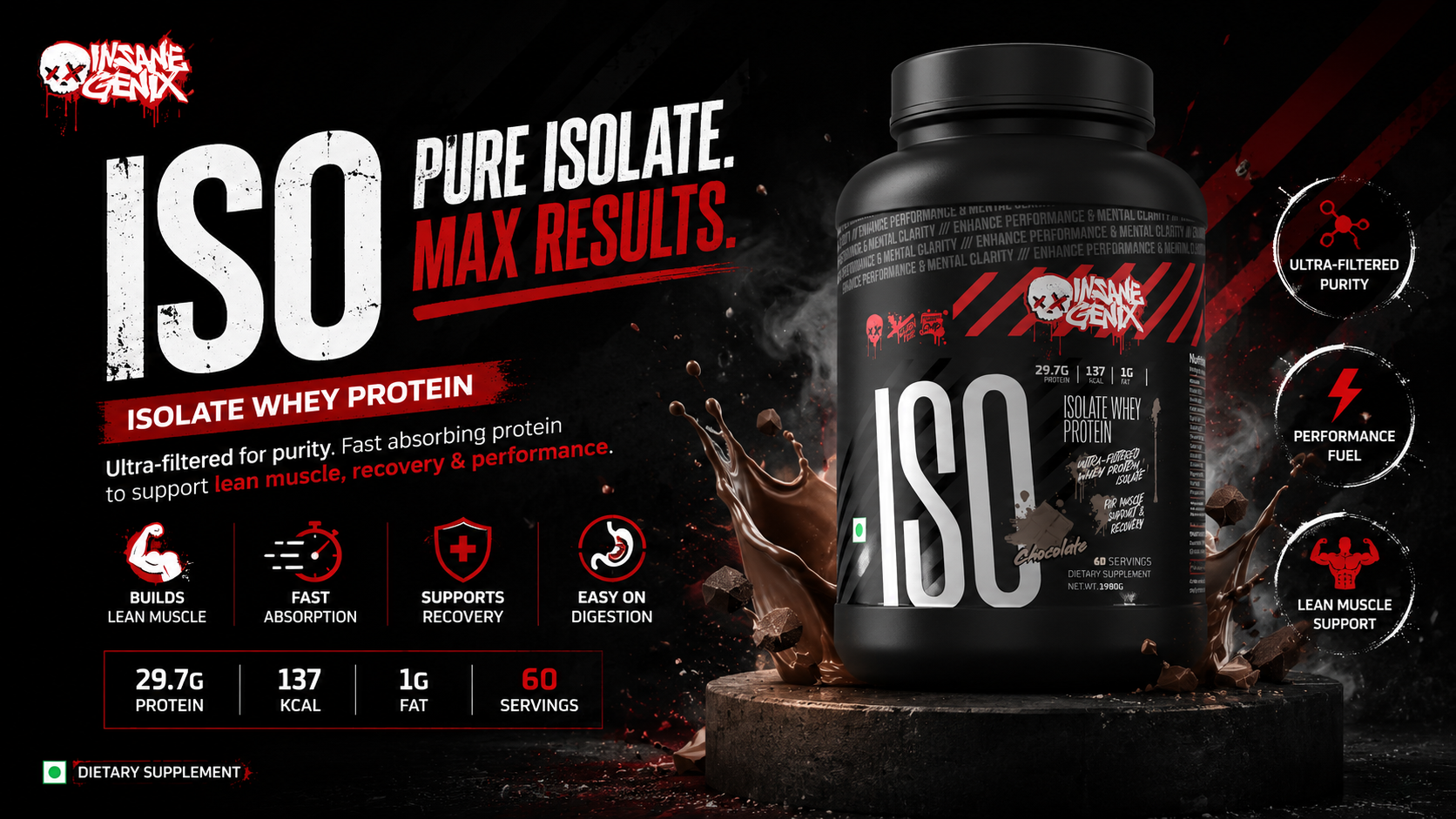
If you're evaluating options for a young athlete at home, InsaneGenix's Isolate Whey Protein is a good example of what this category should look like on paper — it's an ultra-filtered isolate offering close to 29.7g of protein per 33g serving, with low sugar and no artificial loading of the formula, positioned specifically around clean recovery rather than aggressive "bulking" claims. For a parent trying to separate genuine sports nutrition from over-marketed gym products, that kind of straightforward, ingredient-transparent labeling is exactly what to look for.
How Should a Teenager Actually Use Protein Powder?
Assuming a teen's paediatrician or coach has given the green light, here's a sensible way to introduce it:
Start with food, not shakes. Protein powder should fill a gap, not become the primary protein source. One serving a day is usually enough for most moderately active teens — typically post-workout or alongside a meal. Mix with milk or water, depending on lactose tolerance and calorie goals. Avoid stacking with other supplements unless specifically guided by a professional. Teenagers don't need pre-workouts, fat burners, or multiple simultaneous supplements. Track how the body responds. Digestion, energy, and recovery should all feel noticeably better — if anything feels off, it's worth reassessing the product or dosage.
Common Concerns Parents Have (And What the Evidence Actually Says)
"Will protein powder stunt my child's growth?" There's no credible scientific evidence linking moderate, appropriate whey protein intake to stunted growth in teenagers. What can genuinely interfere with growth is chronic under-nutrition — which, ironically, is often the exact problem a well-chosen protein supplement helps correct.
"Isn't it just for bodybuilders?" Not anymore. Swimmers, footballers, badminton players, and even teens simply going through a growth spurt can benefit from an easy, convenient protein source, especially on days when home-cooked meals aren't enough.
"Can it cause kidney damage?" For teens with healthy kidney function and no pre-existing conditions, moderate protein supplementation within recommended limits hasn't been shown to cause kidney damage. The concern typically applies to extreme, unsupervised high-dose protein intake — not a single daily scoop of a quality isolate.
Red Flags to Avoid When Shopping for Teens
Products with vague, non-Indian labeling and no batch/authenticity verification Anything marketed with words like "testosterone," "anabolic," or "extreme mass" Unusually cheap protein tubs — quality whey protein isolate has a real production cost, and prices far below market average are a warning sign, not a bargain
No visible nutritional breakdown or unclear serving sizes
Bringing It All Together
Choosing the right protein powder for a teenager isn't about chasing the biggest tub or the flashiest packaging — it's about reading the label the way you'd read a food product, not a supplement ad. Prioritize isolate over concentrate, low sugar over flavor-heavy formulas, and verified authenticity over the lowest price on a marketplace listing.
Done right, a clean whey isolate can genuinely support a growing, active teenager's recovery and daily protein targets — without any of the risks associated with poorly regulated, over-marketed products. If you're comparing options, it's worth starting with formulas that are transparent about ingredients and built around recovery rather than aggressive performance claims, such as the Isolate Whey Protein by InsaneGenix, and pairing it with a doctor or sports nutritionist's input for your teenager's specific activity level.
At the end of the day, the goal isn't to turn a 15-year-old into a bodybuilder. It's to make sure their plate — and their shaker bottle, if they use one — is actually keeping up with how hard their growing body is working.
View more blogs
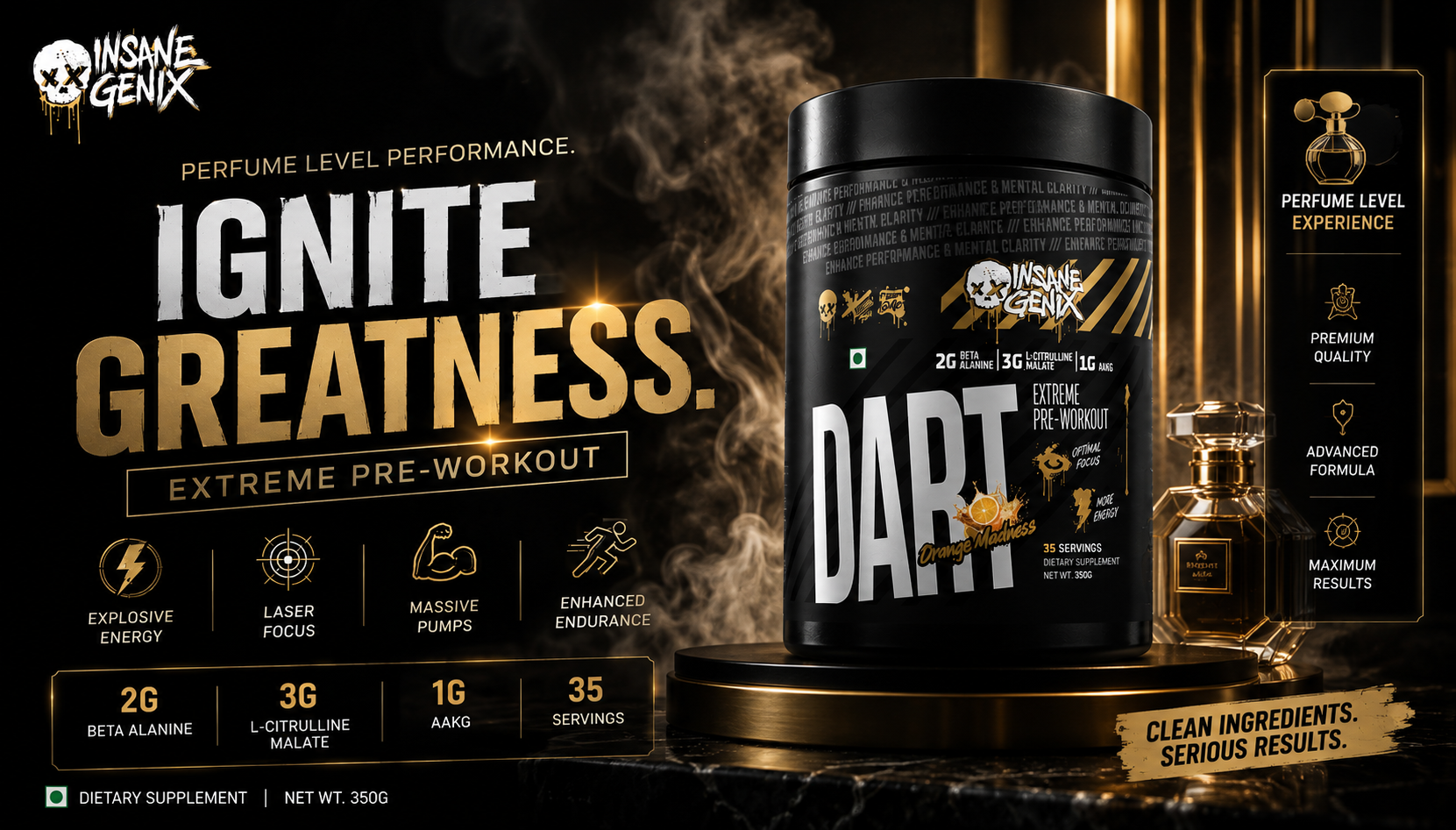
Best Fitness Pre Workout: How to Pick One That Actually Keeps Up With You
Fitness isn't one-size-fits-all — and neither should your pre-workout be. Here's how to choose a formula that actually keeps up with your training, whatever that looks like.
Read article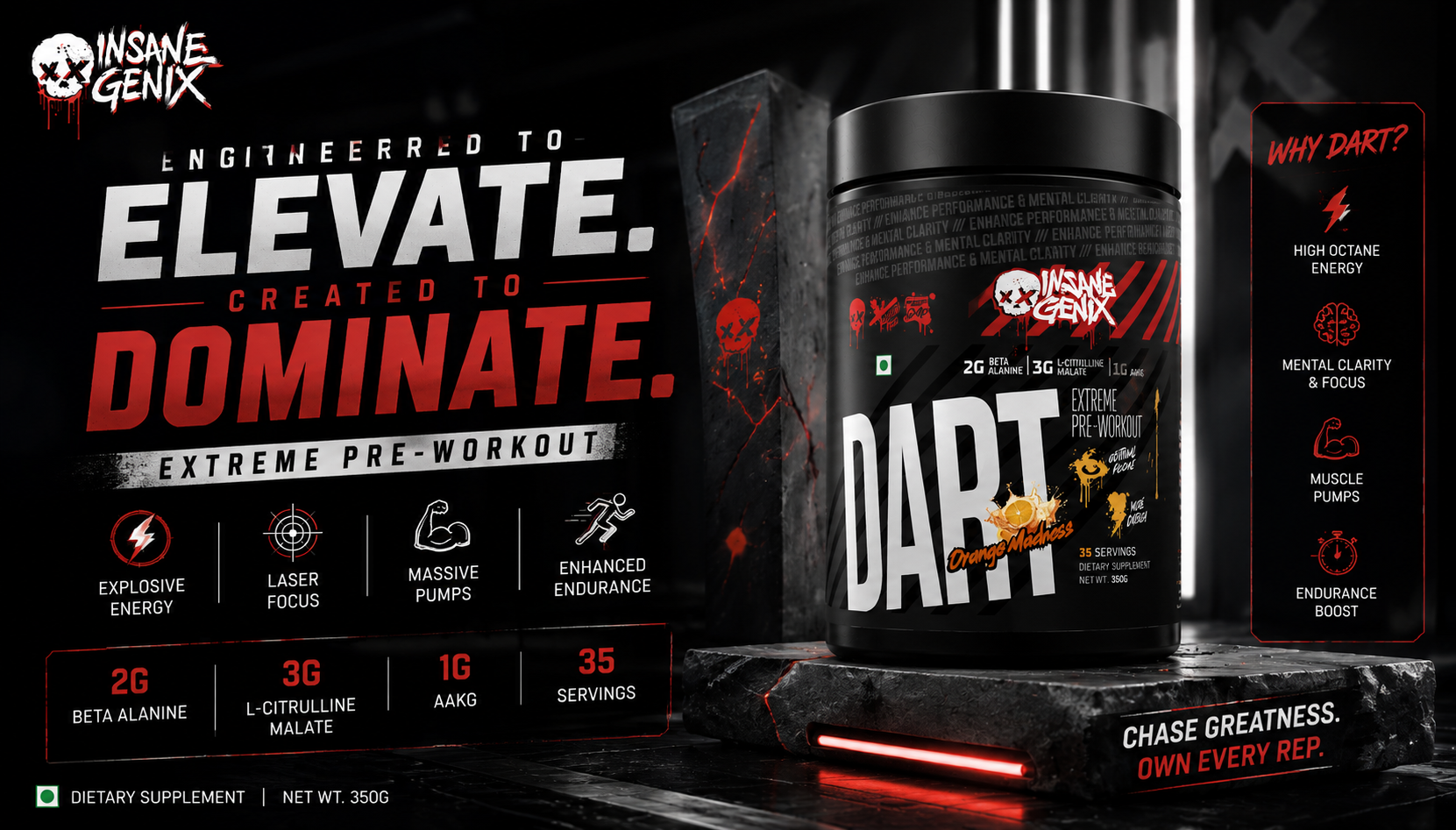
Best Pre Workout Powder for Gym: What's Actually in Your Scoop
Every gym bag has one — a tub of pre-workout powder. But not all of them earn their spot. Here's how to tell a genuinely effective formula from a flashy label.
Read article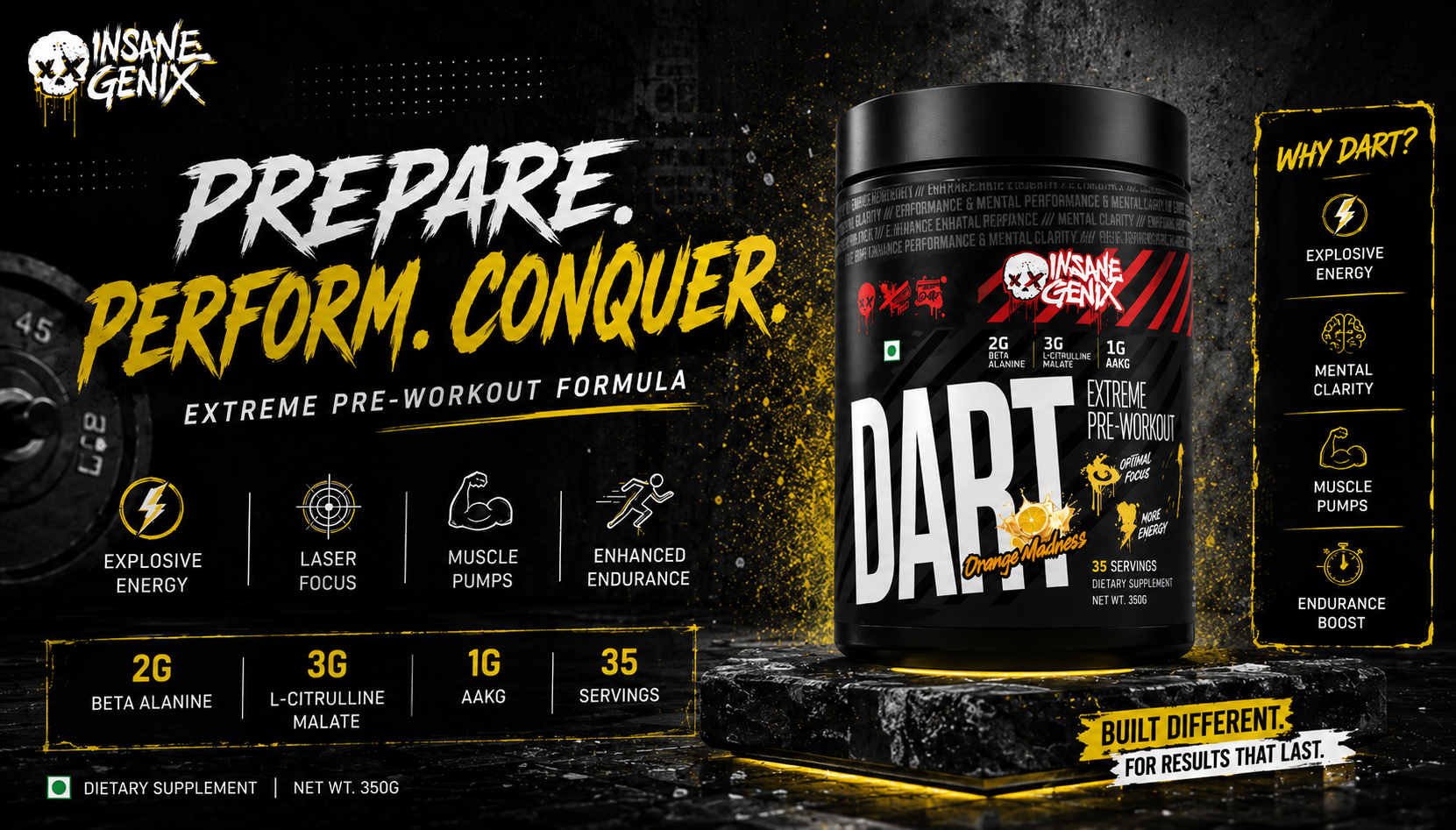
Pre Workout for Focus: Why the Best Sessions Start in Your Head
Strength isn't just physical — it starts in your head. Here's why mental focus might be the most underrated part of your training, and how to train it right.
Read article