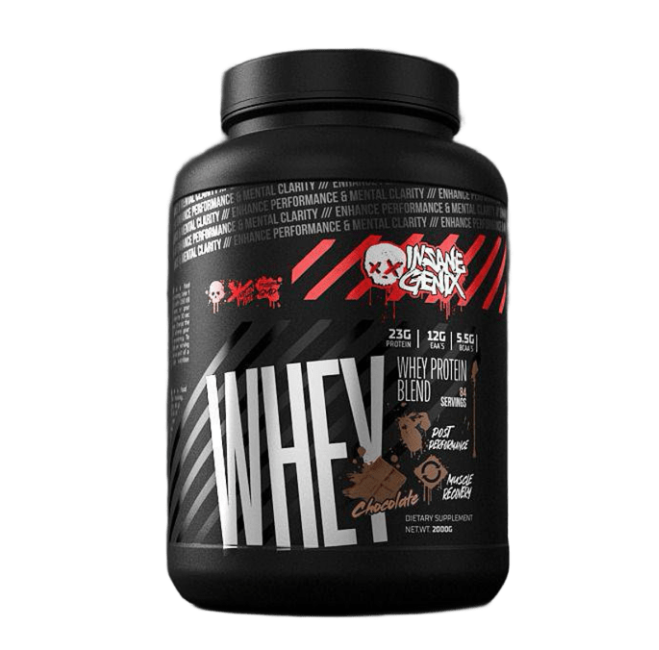
Why Most Women Struggle to Gain Weight — And How Protein Fixes It
Gaining weight isn't just about eating more — it's about eating right. Here's how women can use protein strategically to build lean mass, not just extra pounds.
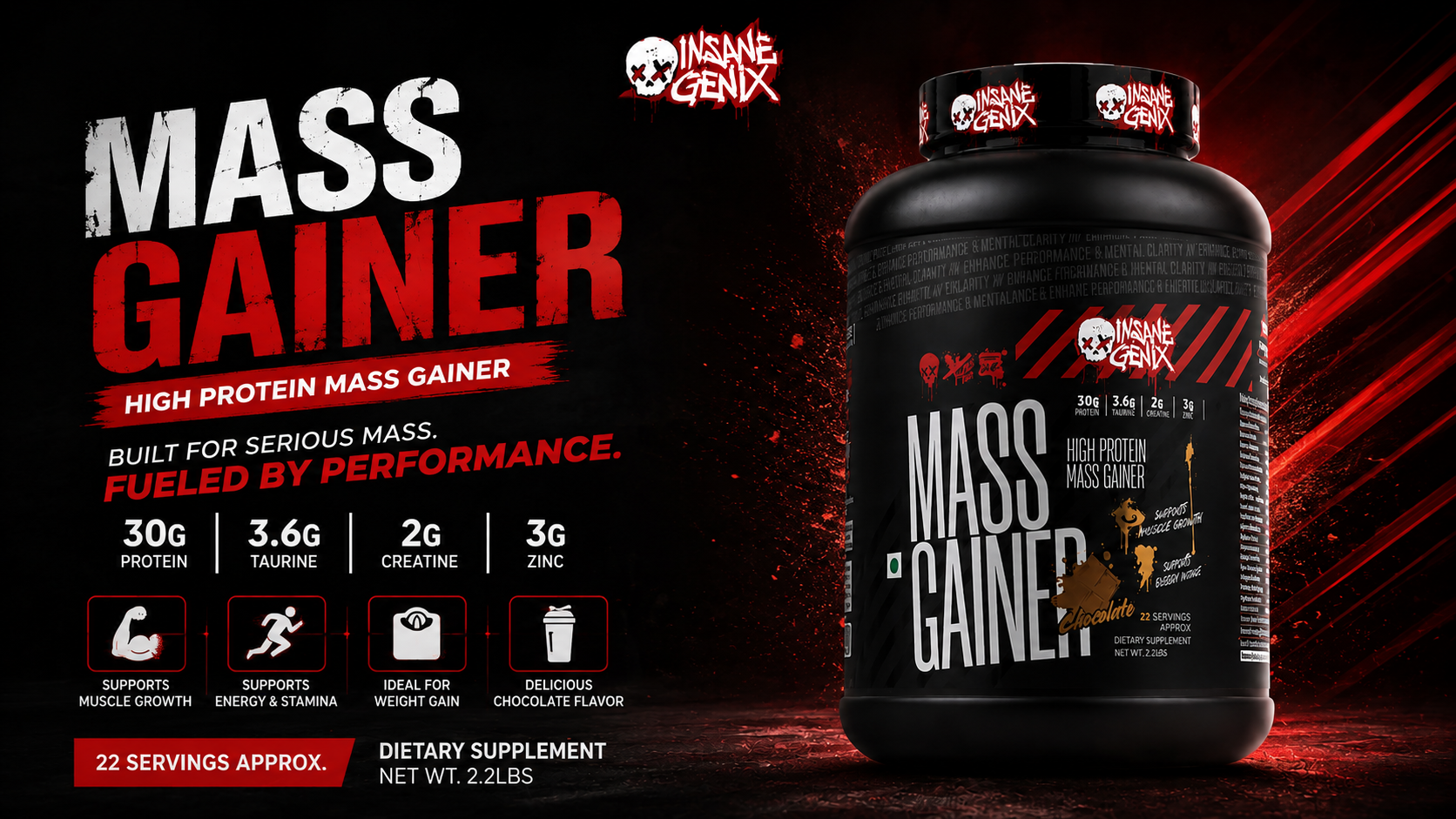
If you've spent years being told to "eat more" without seeing the scale move, you already know that gaining weight is not as simple as it sounds. For a lot of women, the real issue isn't appetite — it's that the body is burning through calories faster than it's being fed, or the food being eaten isn't giving the body what it actually needs to grow. This is exactly where protein for women weight gain becomes the missing piece of the puzzle.
Weight gain, when done right, isn't about stacking on fat. It's about building lean muscle, improving strength, and creating a body that looks and feels stronger — not just heavier. And the nutrient responsible for that transformation is protein.
The Real Reason "Eat More" Doesn't Work Most advice around weight gain revolves around eating in a calorie surplus. While that's technically true, it misses the bigger picture. A surplus of the wrong foods — refined carbs, sugary snacks, fried items — will add weight, but it's usually fat, water retention, and bloating rather than muscle. This kind of weight gain often leaves women feeling sluggish, puffy, and no stronger than before.
The body needs a specific building block to convert extra calories into muscle tissue, and that's protein. Without enough of it, the body simply doesn't have the raw material to repair and grow muscle fibers, no matter how many calories are consumed. This is why so many women eat more, gain a little weight, and still don't see the toned, filled-out look they were hoping for.
Why Protein Matters More for Women Than People Realize
There's a common myth that protein-focused nutrition is only for men chasing bulk, or for hardcore gym-goers. In reality, women's bodies respond just as strongly to adequate protein intake — often even more efficiently when paired with resistance training.
Here's what proper protein for women weight gain actually does inside the body:
Repairs muscle tissue broken down during daily activity and workouts
Supports lean mass growth, giving the body a toned, defined appearance instead of just "bigger" Improves metabolic rate, since muscle tissue burns more calories at rest than fat tissue Reduces cravings by keeping you fuller for longer, which indirectly supports consistent eating habits Speeds up recovery, so you can train more frequently without prolonged soreness holding you back Without sufficient protein, any weight a woman gains tends to settle as fat rather than functional muscle — which is the opposite of what most people picture when they think of "gaining weight."
How Much Protein Do Women Actually Need to Gain Weight?
This is where most people go wrong — they either eat far too little protein, or they overcomplicate it with confusing formulas. As a general guide, women aiming for healthy weight and muscle gain should target somewhere between 1.2 to 1.8 grams of protein per kilogram of body weight per day, depending on activity level and training intensity.
For a woman weighing around 55–60 kg who trains a few times a week, that works out to roughly 70–100 grams of protein daily. Sounds like a lot on paper, but spread across three to four meals, it's very achievable — especially when whole foods are combined with a quality supplement.
The mistake most women make is assuming a couple of eggs and a scoop of dal will cover their needs. In reality, hitting that number consistently through food alone requires deliberate planning, which is exactly why more women are turning to supplements to close the gap.
Best Food Sources of Protein for Weight Gain
Before jumping to supplements, it helps to build a strong foundation with whole foods. Some of the most effective protein sources for women looking to gain weight include:
Eggs – a complete protein with all essential amino acids, easy to prepare in bulk Paneer and dairy – rich in protein and calcium, great for lean mass support Lentils and legumes – ideal for combining protein with fiber and slow-digesting carbs Chicken and fish – lean, high-protein options that support muscle repair without excess fat Nuts and seeds – provide protein along with healthy fats to support a calorie surplus
Greek yogurt – a quick, portable protein source that also aids digestion
These foods form the base of any solid weight gain plan. But between busy schedules, digestion issues, and the sheer volume of food required to hit a calorie and protein surplus, most women find it difficult to eat enough through meals alone — which is where a targeted mass gainer supplement becomes genuinely useful rather than optional.
Why a Mass Gainer Can Make Weight Gain Easier and More Consistent
Think of a mass gainer as a shortcut to consistency, not a shortcut to results. It doesn't replace real food — it fills the gap between what your body needs and what your daily meals realistically provide, especially on days when appetite is low or schedules get hectic.
A well-formulated protein for women weight gain supplement typically combines:
A blend of proteins and carbohydrates to support both muscle repair and energy needs Additional nutrients that assist recovery, so soreness doesn't derail your next workout A convenient format that's easier to fit into a busy day than an extra full meal This is particularly useful for women who train regularly but struggle to eat large meals due to time constraints, appetite, or simply not enjoying the process of eating in bulk. A scoop mixed with milk or water can deliver a meaningful portion of daily protein and calorie needs in minutes.
Combining Protein Intake with the Right Training
Protein alone doesn't build muscle — it needs a reason to be used by the body. That reason is resistance training. Without some form of strength-based exercise, extra protein and calories are more likely to be stored as fat rather than used to build lean tissue.
For women new to weight gain goals, this doesn't mean spending hours in a gym every day. A simple, consistent routine works far better than an intense but inconsistent one:
2–4 days a week of resistance training (bodyweight, dumbbells, or machines) Focus on compound movements like squats, rows, and presses that engage multiple muscle groups Gradually increase weight or reps over time to keep challenging the muscles
Allow adequate rest days so muscles can repair and grow
Pairing this kind of training with consistent protein for women weight gain intake is what actually shifts the number on the scale toward muscle rather than fat.
A Sample Day: What Healthy Weight Gain Looks Like To make this practical, here's a simple example of how a day might look for a woman focused on healthy weight gain:
Morning: A protein-rich breakfast such as eggs with whole grain toast, or oats with milk and nuts
Mid-Morning: A mass gainer shake blended with milk for an easy calorie and protein boost
Lunch: A balanced plate with lentils or chicken, rice, vegetables, and a source of healthy fat
Evening Snack: Greek yogurt with fruit, or a handful of nuts
Dinner: Paneer or fish with vegetables and a whole grain side
Before Bed (optional): A small portion of curd or a light protein snack to support overnight recovery
This kind of structure naturally builds in enough protein and calories throughout the day without requiring you to force down oversized meals in one sitting.
Common Mistakes Women Make When Trying to Gain Weight
Even with good intentions, a few habits can quietly work against weight gain goals:
Skipping meals because of a busy schedule, then trying to "catch up" later in the day Relying only on junk food for extra calories, which adds fat without supporting muscle
Ignoring strength training, assuming diet alone will do the job
Being inconsistent with protein intake, having a high-protein day followed by several low ones Expecting overnight results, then giving up before the body has time to respond Avoiding these patterns, more than any single food or supplement, is what separates women who successfully gain healthy weight from those who stay stuck.
Choosing the Right Protein Support for Your Goals
Not all supplements are created equal, and for weight gain specifically, a product designed to support both muscle building and recovery makes more sense than a plain protein powder alone. Look for a formula that combines protein with additional calories, supports recovery, and fits into your daily routine without complicating your diet.
If you're looking for a well-rounded option that supports lean muscle growth, energy, and recovery, InsaneGenix's protein for women weight gain formula is designed with exactly this kind of balanced approach in mind — making it easier to stay consistent with your goals without overhauling your entire diet.
Final Thoughts
Gaining weight the healthy way isn't about eating everything in sight — it's about giving your body the right building blocks, consistently, and pairing that with training that puts those nutrients to good use. Protein sits at the center of that process, turning extra calories into visible, functional muscle rather than just extra weight on the scale.
With the right combination of whole foods, smart supplementation, and consistent strength training, sustainable weight gain becomes far more achievable — and far more rewarding — than any quick-fix diet ever could be.
View more blogs
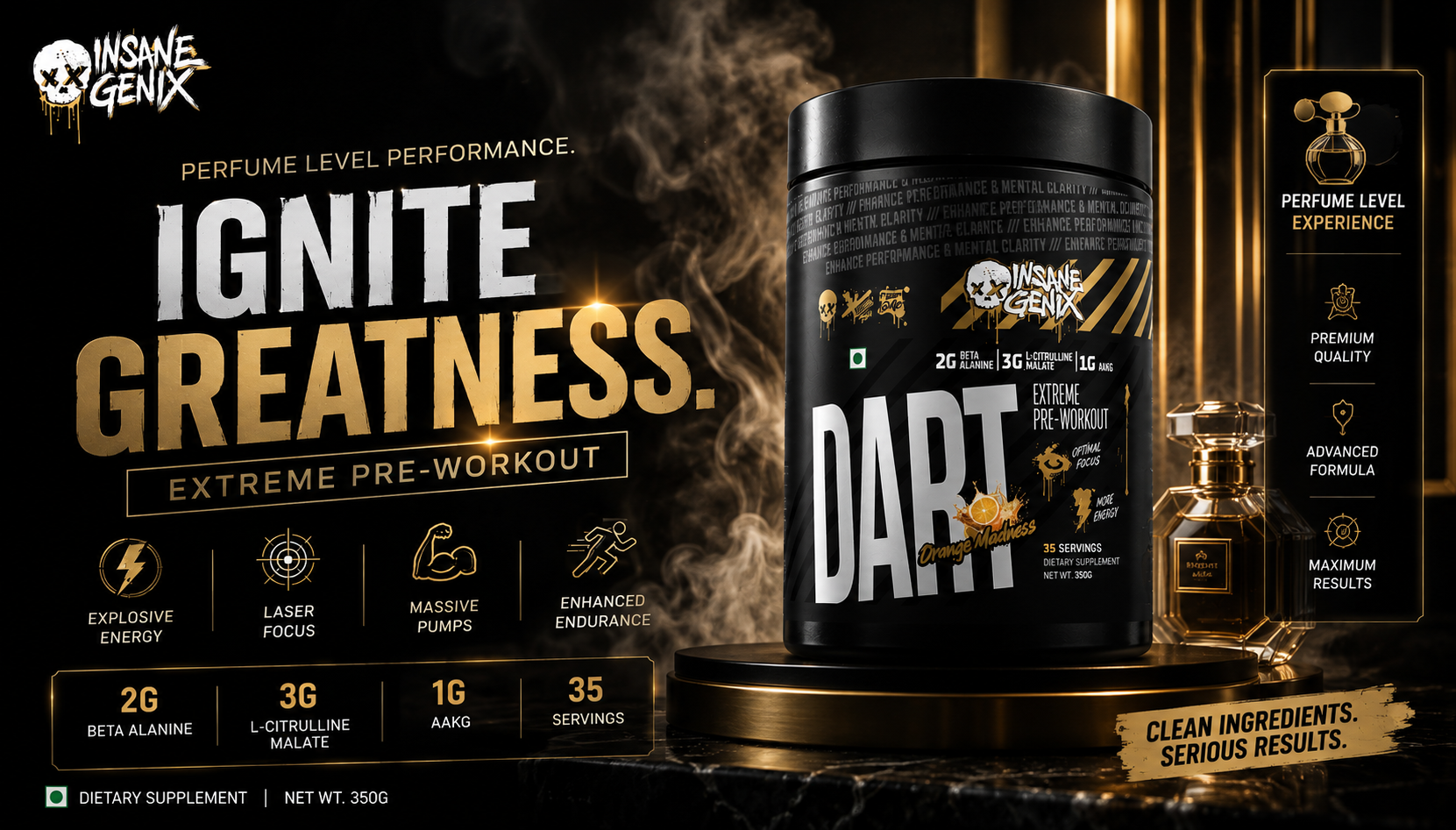
Best Fitness Pre Workout: How to Pick One That Actually Keeps Up With You
Fitness isn't one-size-fits-all — and neither should your pre-workout be. Here's how to choose a formula that actually keeps up with your training, whatever that looks like.
Read article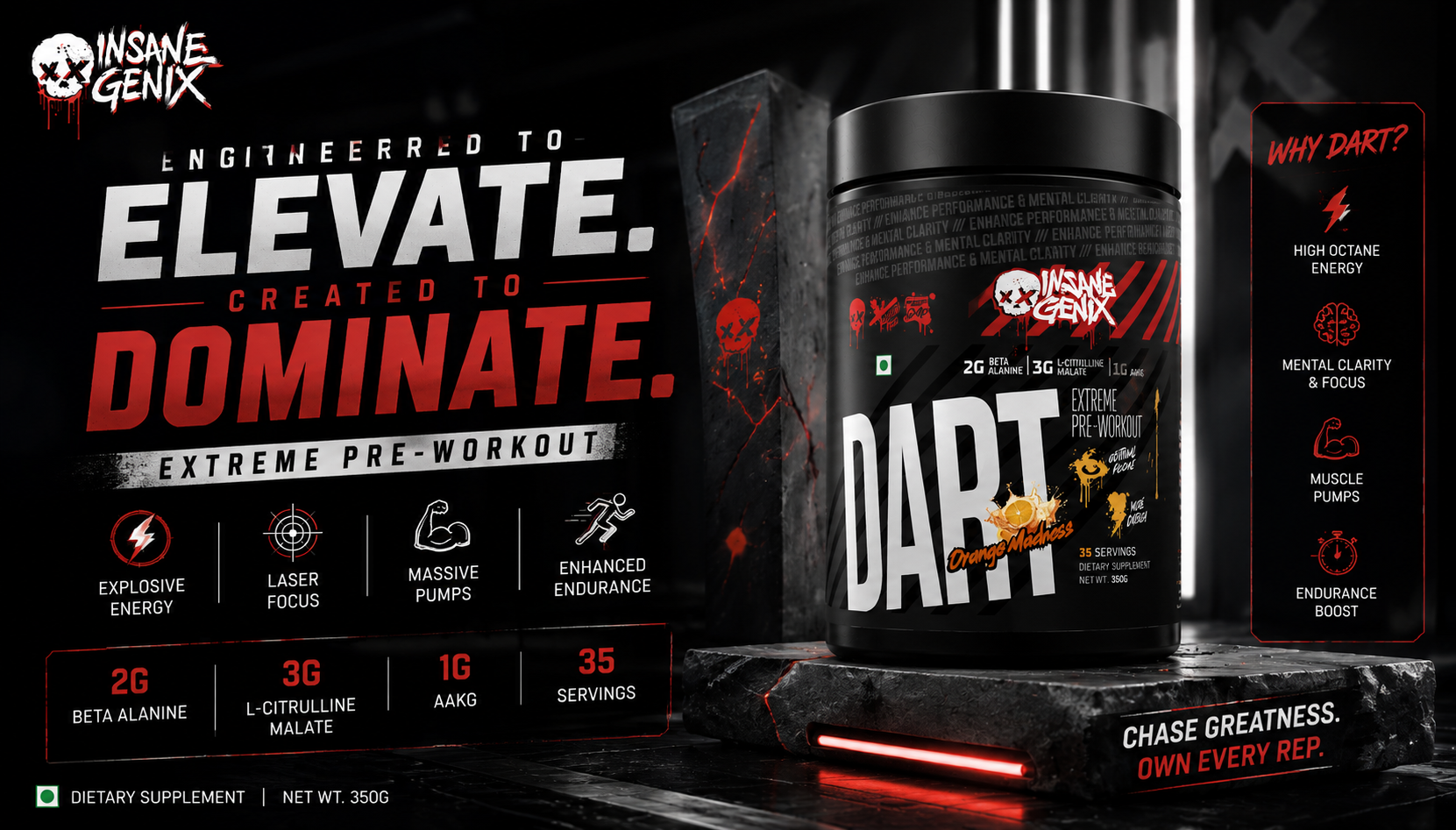
Best Pre Workout Powder for Gym: What's Actually in Your Scoop
Every gym bag has one — a tub of pre-workout powder. But not all of them earn their spot. Here's how to tell a genuinely effective formula from a flashy label.
Read article
Pre Workout for Focus: Why the Best Sessions Start in Your Head
Strength isn't just physical — it starts in your head. Here's why mental focus might be the most underrated part of your training, and how to train it right.
Read article