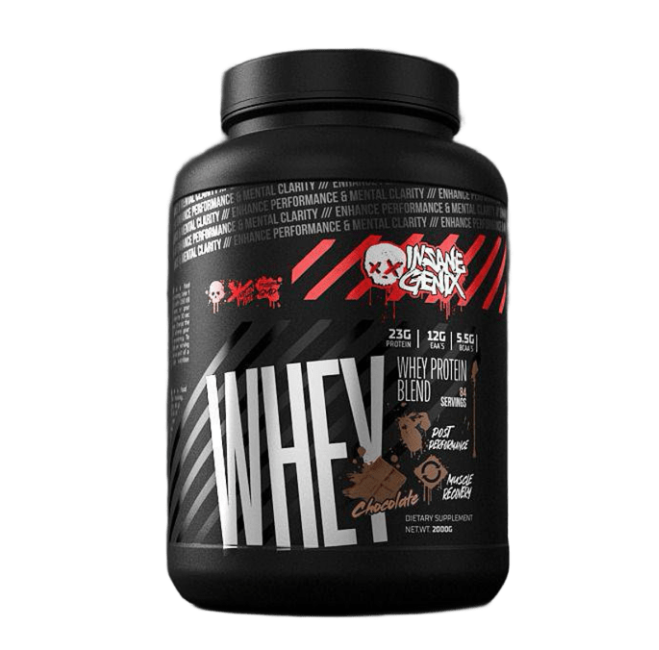
How Whey Isolate Actually Fuels Muscle Growth
Not all whey is built the same, and the gap between "concentrate" and "isolate" is bigger than most gym-goers realize. Here's what actually happens inside your body when you switch to a purer, faster-absorbing protein — and whether it's worth the extra rupees.
Walk into any gym on a Monday evening — "international chest day," as the internet likes to joke — and you'll see two kinds of lifters at the water cooler. One is mixing a scoop of protein straight after their last set. The other is telling them they're "wasting money" and that any protein powder does the same job.
Both of them are only half right.
Protein does the same broad job at a chemical level — it supplies amino acids for muscle repair. But which protein you're using, how fast it gets absorbed, and how much of it is actually usable protein versus filler, changes the real-world outcome more than most lifters give it credit for. This is exactly where whey isolate separates itself from cheaper whey concentrate, and why so many serious lifters eventually make the switch once they understand what's happening inside the scoop.
This article breaks down, without the hype, how whey isolate supports muscle growth, who genuinely benefits from using it, and how to actually use it well.
Whey Concentrate vs Whey Isolate: The Difference That Matters
Both start from the same source — whey, a byproduct of cheese production, which is naturally rich in essential amino acids, particularly the branched-chain amino acids (BCAAs) that trigger muscle protein synthesis.
The difference comes down to filtration.
Whey concentrate goes through basic processing, typically landing around 70–80% protein by weight, with the rest made up of lactose, fat, and carbohydrate. Whey isolate goes through additional microfiltration or ion-exchange processing, pushing protein content up to 90%+ per serving, while stripping out most of the lactose and fat.
In practical terms, that means a scoop of isolate delivers more usable protein, less digestive baggage, and a cleaner amino acid hit per gram consumed — which is exactly what a muscle-building diet is trying to optimize for.
How Whey Isolate Actually Supports Muscle Growth
Muscle growth isn't triggered by protein powder itself — it's triggered by resistance training that creates micro-tears in muscle fibers, followed by a recovery process where the body rebuilds those fibers stronger and slightly larger. Protein is the raw material for that rebuild. Where whey isolate earns its reputation is in how efficiently it supplies that raw material.
- Rapid Amino Acid Delivery
Whey isolate is digested and absorbed faster than most other protein sources, including casein and many plant proteins. This matters most in the post-workout window, when muscle tissue is primed to absorb amino acids for repair. A faster-digesting protein means amino acids reach the bloodstream — and the muscle — sooner.
- Higher Leucine Content
Leucine is the specific amino acid responsible for switching on muscle protein synthesis at a cellular level. Whey, in general, is naturally high in leucine, but because isolate is more concentrated, you're getting a denser leucine dose per scoop compared to a less-filtered protein source.
- Lower Digestive Load
Because most of the lactose and fat is filtered out, whey isolate tends to sit lighter on the stomach — which is a bigger deal than it sounds for anyone training in the evening or lifting on a semi-full stomach. Bloating and sluggishness after a shake usually trace back to lactose sensitivity, and isolate minimizes that risk.
- More Protein, Fewer Extra Calories
For lifters trying to stay in a calorie-controlled bulk, or maintain muscle while cutting fat, isolate's higher protein-to-calorie ratio makes it easier to hit protein targets without piling on unnecessary carbs and fat from the shake itself.
Who Actually Benefits Most From Whey Isolate?
Not everyone needs to pay the isolate premium. Here's a realistic breakdown:
Serious lifters chasing hypertrophy or strength gains — where hitting a high daily protein target consistently matters more than almost any other dietary variable. Anyone lactose-sensitive but still wanting a dairy-based protein source, since isolate's lactose content is minimal compared to concentrate. Lifters in a cutting phase who need to keep protein high while trimming overall calories. Athletes training twice a day or with tight recovery windows, where faster absorption genuinely helps.
If you're a casual gym-goer training two or three times a week with a reasonably protein-rich diet, whey concentrate will still get the job done. But for anyone serious about consistent muscle growth, the efficiency gap starts to add up over months of training.
What to Look for When Choosing a Whey Isolate
The supplement market is crowded, and label-reading matters more than brand loyalty. A genuinely good whey isolate for muscle growth should tick these boxes:
High protein per serving — ideally 25g or more from a 30–35g scoop, not padded out with fillers Low sugar and low carbohydrate — a proper isolate shouldn't need heavy sweeteners to taste good Third-party or GMP certification — a basic trust signal in a market where counterfeit and diluted tubs are unfortunately common Transparent nutritional labeling — full breakdown of macros, not vague "protein blend" language Verified authenticity — especially important when buying supplements online in India, where counterfeit protein is a genuine, well-documented problem
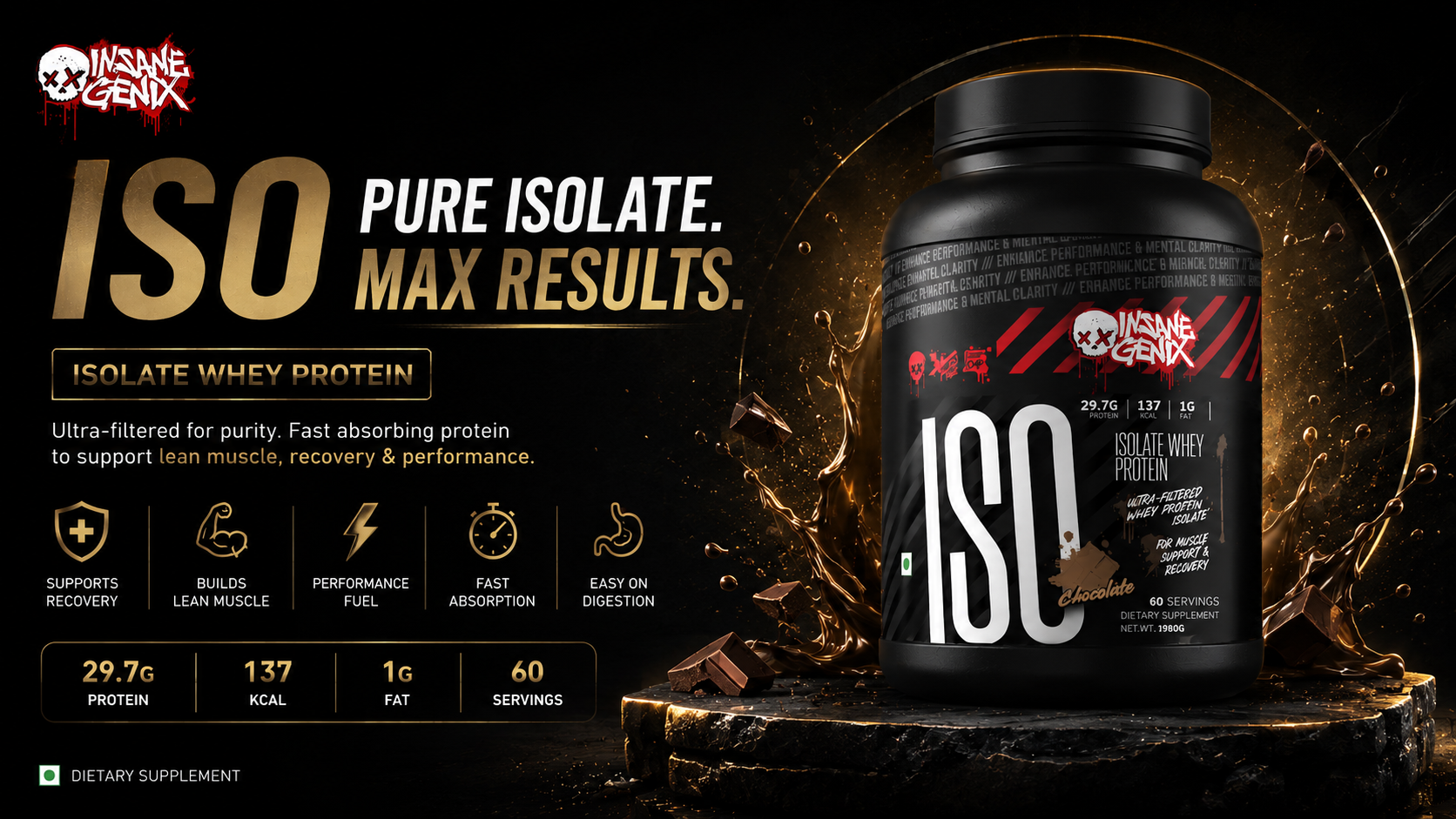
For lifters looking for a formula that checks these boxes without unnecessary additives, InsaneGenix's Isolate Whey Protein is worth a look — it's ultra-filtered, delivers close to 29.7g of protein per 33g serving, keeps sugar content minimal, and comes with GMP certification and authenticity verification, which covers most of what a serious lifter should be checking for before adding a new protein to their stack.
How to Actually Use Whey Isolate for Best Results
Buying the right product is only half the equation — how you use it matters just as much.
Time it around training. A scoop within 30–60 minutes post-workout takes advantage of the faster absorption window, though total daily protein intake matters more than exact timing. Don't rely on it as your only protein source. Whole foods — eggs, chicken, paneer, fish, dal — should still make up the bulk of daily protein intake. Isolate is there to fill gaps, not replace meals. Match intake to training volume. Roughly 1.6–2.2 grams of protein per kilogram of bodyweight per day is a commonly cited range for muscle growth, depending on training intensity and goals. Mix with water for a leaner option, or milk for extra calories if you're in a bulking phase and need the additional energy. Stay consistent. No single shake builds muscle. It's the accumulated effect of hitting protein targets, day after day, alongside progressive resistance training, that actually drives growth.
Common Myths Worth Clearing Up
"More protein always means more muscle." Not quite. Beyond a certain intake threshold, extra protein doesn't translate into extra muscle — it just gets used for energy or stored. What matters is consistently hitting an adequate daily target, not maximizing it.
"Isolate is just marketing, concentrate does the same thing." Partially true, partially not. For casual training goals, the difference is small. For serious hypertrophy-focused training, the higher protein density, lower lactose content, and faster absorption of isolate genuinely offer a practical edge — it's not purely a marketing story.
"You need to drink a shake immediately after your workout or you'll lose gains." The so-called "anabolic window" is far more forgiving than old-school gym folklore suggests. Total daily protein intake matters more than hitting some exact 30-minute post-workout deadline.
Final Thoughts
Whey isolate isn't a shortcut to bigger muscles, and no scoop of powder replaces a well-structured training program or consistent sleep and recovery. What it does offer is a cleaner, more efficient way to hit daily protein targets — with less digestive discomfort, fewer unnecessary calories, and a faster-absorbing amino acid profile that lines up well with how muscle repair actually works.
If you're already training hard and eating reasonably well, upgrading to a quality isolate like the Isolate Whey Protein from InsaneGenix is a small, practical change that removes some of the guesswork from hitting your protein goals — letting the actual hard work in the gym do what it's supposed to do.
View more blogs
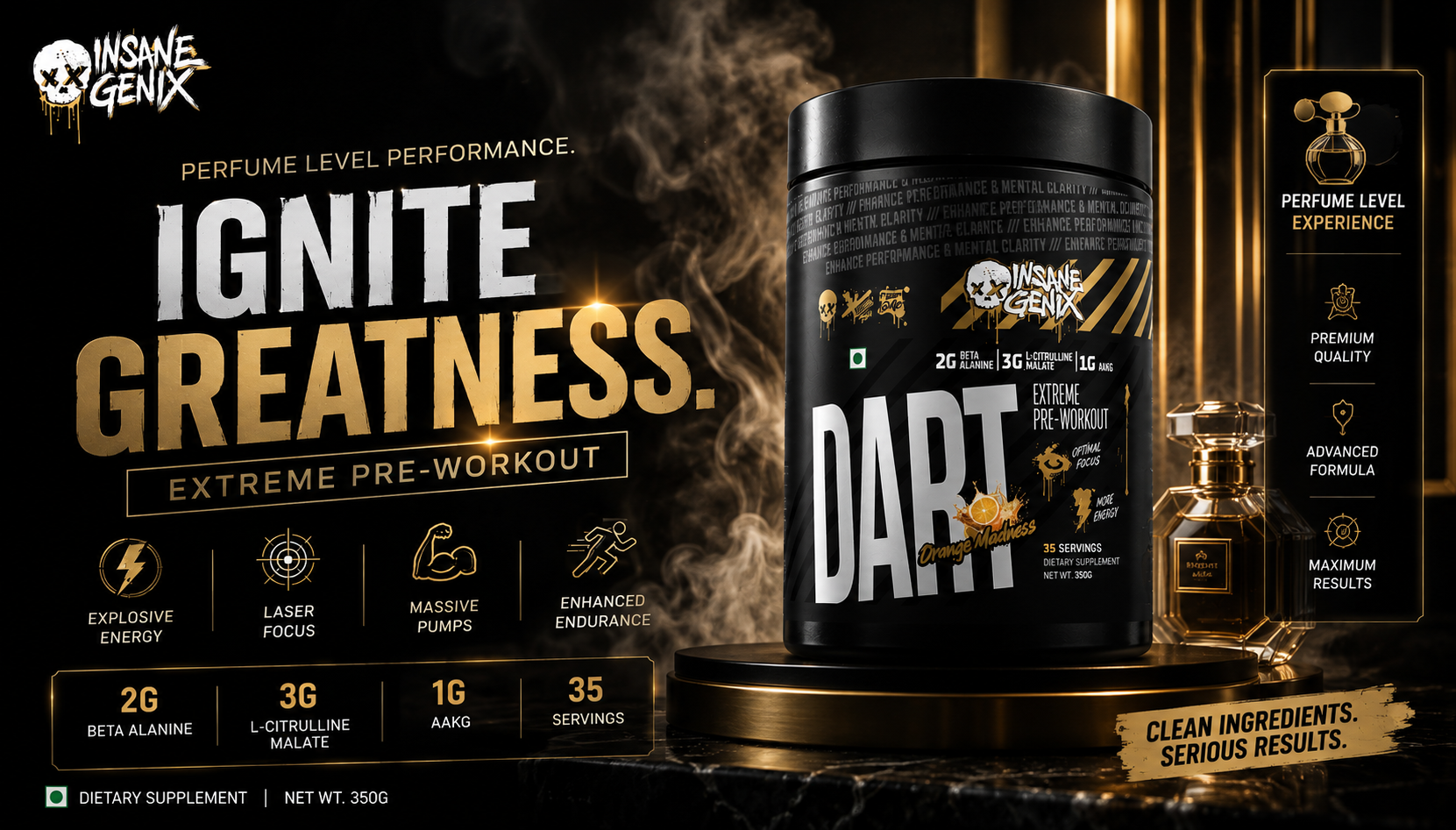
Best Fitness Pre Workout: How to Pick One That Actually Keeps Up With You
Fitness isn't one-size-fits-all — and neither should your pre-workout be. Here's how to choose a formula that actually keeps up with your training, whatever that looks like.
Read article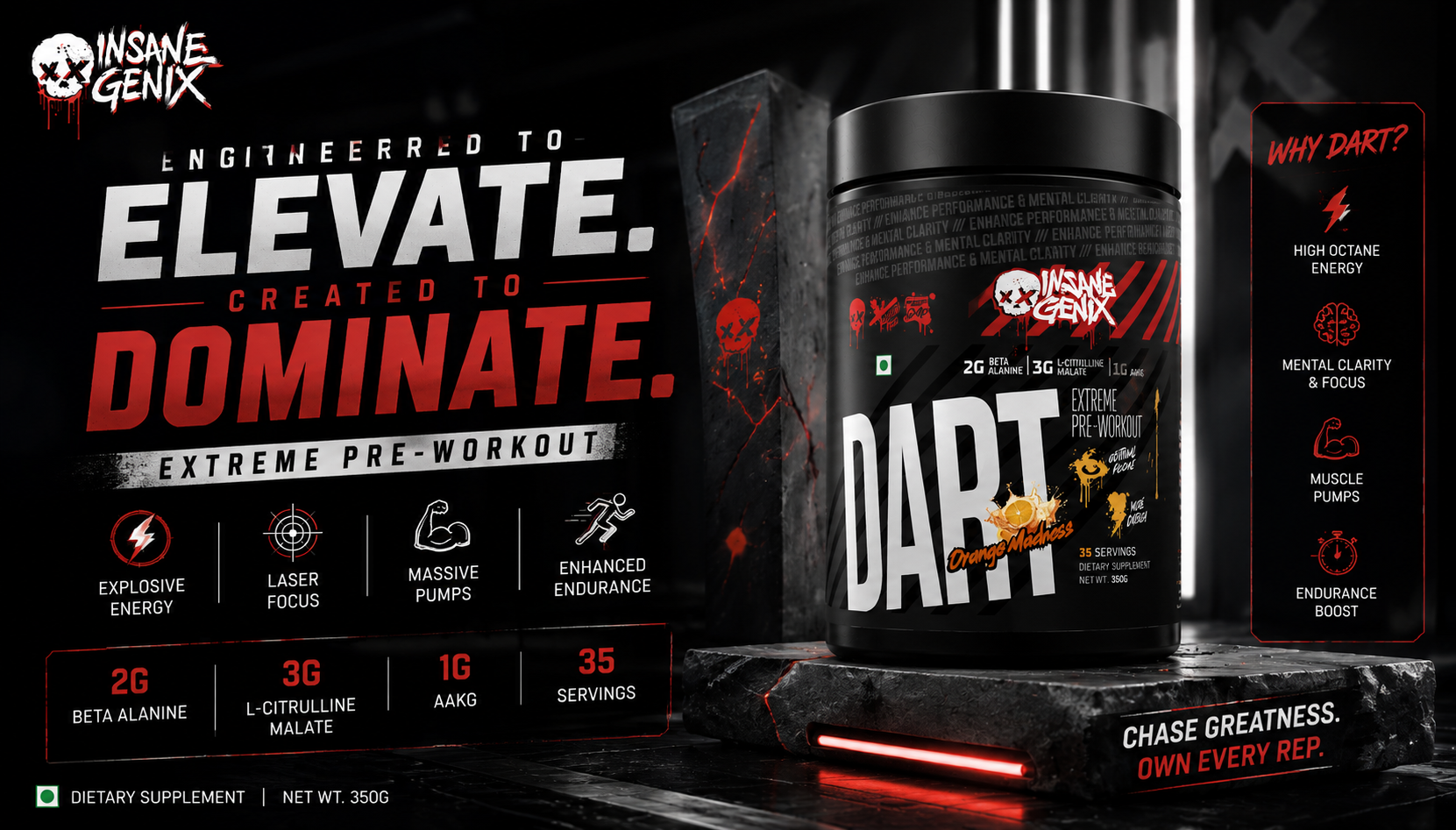
Best Pre Workout Powder for Gym: What's Actually in Your Scoop
Every gym bag has one — a tub of pre-workout powder. But not all of them earn their spot. Here's how to tell a genuinely effective formula from a flashy label.
Read article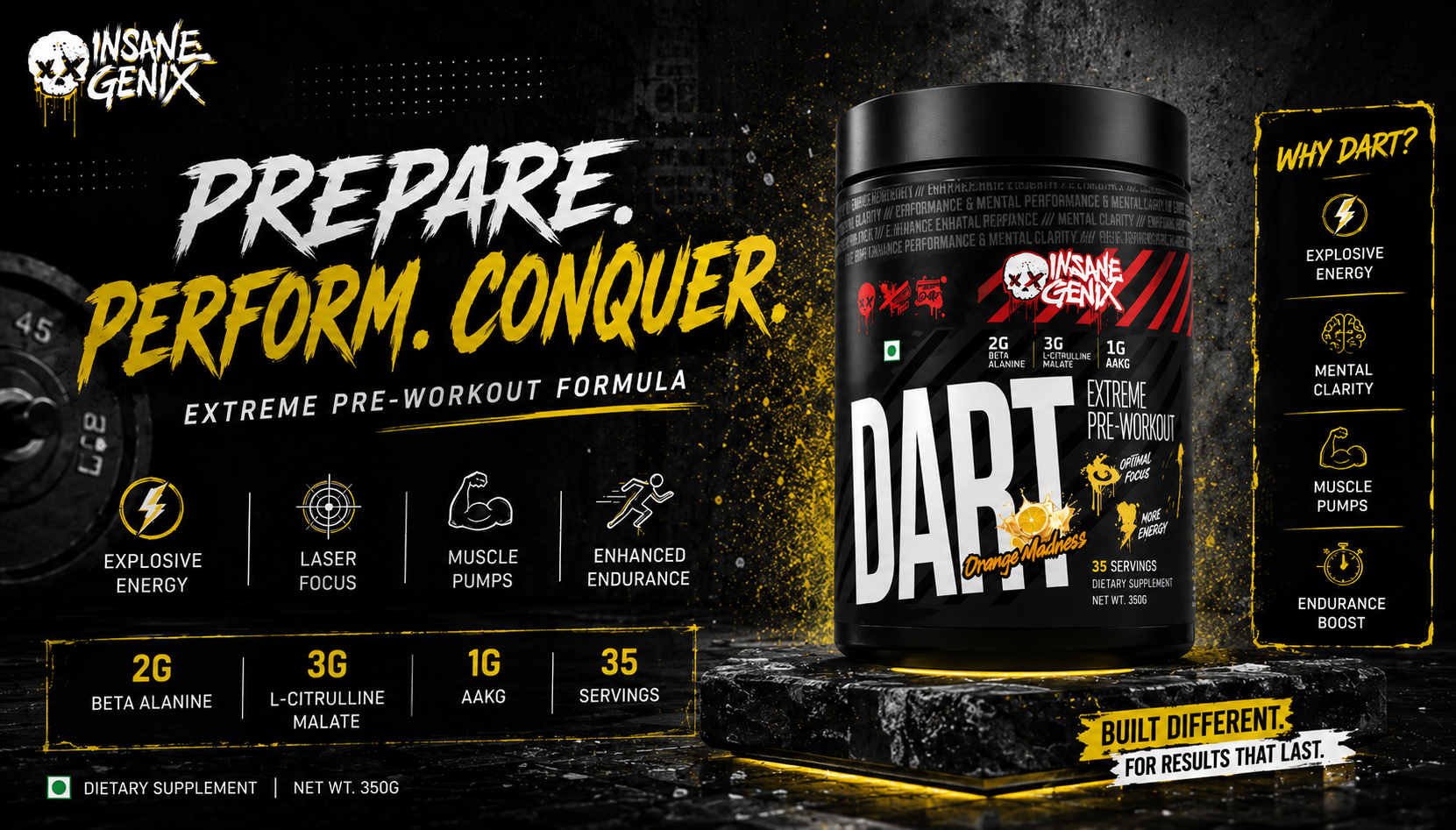
Pre Workout for Focus: Why the Best Sessions Start in Your Head
Strength isn't just physical — it starts in your head. Here's why mental focus might be the most underrated part of your training, and how to train it right.
Read article