Whey Isolate vs Concentrate: Understanding the Difference and Choosing the Right Protein
Whey protein is one of the most popular and effective supplements for individuals looking to support muscle growth, recovery, and overall fitness performance. However, when shopping for a protein supplement, you'll often come across two common options: Whey Protein Isolate and Whey Protein Concentrate.
This leads many fitness enthusiasts to ask: Whey Isolate vs Concentrate—which one is better? The truth is that both forms of whey protein can help support your fitness goals. However, they differ in terms of processing, protein content, digestion, and overall nutritional profile. In this guide, we'll compare Whey Isolate and Whey Concentrate in detail, helping you understand their differences and determine which option best aligns with your fitness journey.
What Is Whey Protein?
Whey protein is a high-quality protein derived from milk during the cheese-making process. It contains all nine essential amino acids, making it a complete protein source. Because of its excellent amino acid profile and rapid absorption rate, whey protein has become a staple supplement for:
- Muscle growth
- Post-workout recovery
- Athletic performance
- Daily protein intake
- Lean muscle maintenance
The two most common forms of whey protein are Whey Concentrate and Whey Isolate.
What Is Whey Protein Concentrate?
Whey Protein Concentrate is one of the most widely used forms of whey protein. It undergoes filtration to remove some carbohydrates and fats while retaining a significant amount of protein.
Characteristics of Whey Concentrate
- High-quality protein source
- Contains naturally occurring nutrients found in whey
- Typically includes small amounts of carbohydrates and fats
- Supports muscle recovery and growth
- Often preferred for general fitness goals
Because it undergoes less processing than isolate, whey concentrate retains more naturally
- ccurring whey components.
What Is Whey Protein Isolate?
Whey Protein Isolate undergoes additional filtration and processing to remove a greater percentage of fats and carbohydrates. The result is a protein source with a higher protein concentration per serving.
Characteristics of Whey Isolate
- Higher protein concentration
- Lower fat content
- Lower carbohydrate content
- Fast digestion and absorption
- Popular among individuals focused on lean muscle development
Whey isolate is often chosen by individuals who want a protein source with minimal additional macronutrients.
Whey Isolate vs Concentrate: Key Differences
Protein Content
Whey Concentrate
Contains a high amount of protein while also retaining some naturally occurring fats and carbohydrates.
Whey Isolate
Typically provides a higher percentage of protein per serving due to additional filtration.
Processing
Whey Concentrate
Undergoes less processing and retains more of whey's natural components.
Whey Isolate
Goes through additional filtration to remove more fats and carbohydrates.
Carbohydrate Content
Whey Concentrate
Contains small amounts of carbohydrates.
Whey Isolate
Generally contains lower carbohydrate levels.
Fat Content
Whey Concentrate
Includes naturally occurring fats from whey.
Whey Isolate
Typically contains lower levels of fat.
Digestion
Whey Concentrate
Digests efficiently and supports recovery.
Whey Isolate
Known for rapid digestion and absorption.
Which Is Better for Muscle Growth?
One of the biggest misconceptions in sports nutrition is that whey isolate automatically builds more muscle than whey concentrate. The reality is that both protein sources provide essential amino acids required for muscle protein synthesis. Muscle growth ultimately depends on factors such as:
- Total daily protein intake
- Training intensity
- Recovery quality
- Calorie intake
- Consistency
Both whey isolate and whey concentrate can effectively support muscle growth when incorporated into a balanced fitness program.
Who Should Choose Whey Concentrate?
Whey concentrate may be suitable for individuals who:
Want a High-Quality Protein Source
It provides complete protein and essential amino acids.
Are Focused on General Fitness Goals
Many gym-goers successfully use whey concentrate for muscle growth and recovery.
Want a Balanced Nutritional Profile
Concentrate retains some naturally occurring fats and carbohydrates.
Need Daily Protein Support
It can help bridge protein gaps in the diet.
Who Should Choose Whey Isolate?
Whey isolate may be suitable for individuals who:
Prioritize Higher Protein Content
The additional filtration results in a greater percentage of protein per serving.
Prefer Lower Fat Intake
Whey isolate contains reduced fat levels.
Prefer Lower Carbohydrate Intake
Many athletes and fitness enthusiasts choose isolate when monitoring carbohydrate consumption. Focus on Lean Muscle Development. Its nutritional profile makes it a popular option during lean muscle-building phases.
Why Protein Quality Matters More Than Protein Type
While comparing Whey Isolate vs Concentrate is important, the overall quality of the protein supplement often matters more. When selecting a whey protein, look for:
- Quality ingredients
- Complete amino acid profile
- Trusted manufacturing standards
- Reliable brand reputation
- Consistent product quality
A high-quality protein supplement can support recovery, muscle maintenance, and fitness performance regardless of whether it is isolate or concentrate.
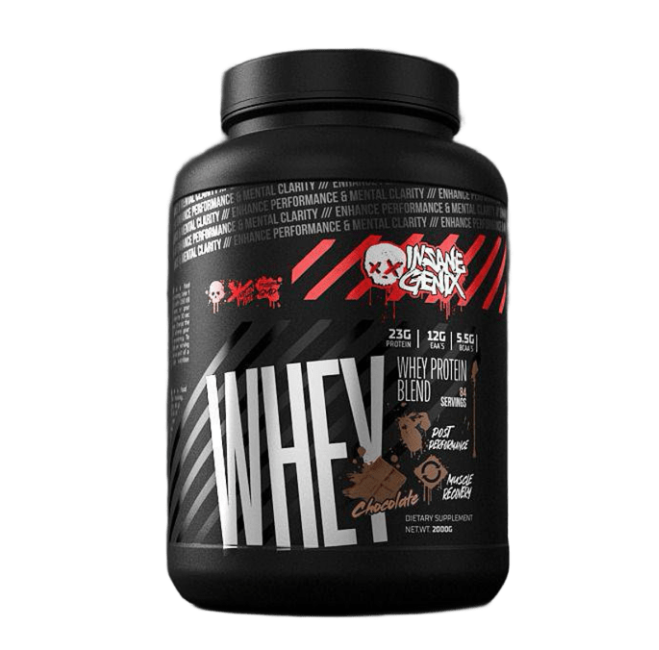
Why Insane Genix Whey Protein Supports Performance and Recovery
For individuals seeking a reliable protein supplement, Insane Genix Whey Protein is designed to support muscle recovery, performance, and daily protein intake. Key highlights include:
- High-quality whey protein source
- Rich amino acid profile
- Supports muscle recovery
- Helps meet daily protein requirements
- Suitable for beginners and experienced athletes
Whether your goal is muscle growth, recovery, or overall fitness improvement, Insane Genix Whey Protein can be an effective addition to your nutrition plan.
Best Time to Take Whey Protein
Regardless of whether you choose isolate or concentrate, timing can help support your fitness goals.
Post-Workout
One of the most popular times to consume whey protein to support recovery.
Between Meals
Helps increase daily protein intake.
Morning
Provides a convenient source of protein after an overnight fast.
Anytime Protein Is Needed
Consistency is more important than timing alone.
Common Myths About Whey Protein
Myth 1: Whey Isolate Is Always Better
Both isolate and concentrate can effectively support muscle growth and recovery.
Myth 2: Whey Concentrate Is Inferior
Concentrate remains one of the most widely used and trusted protein sources.
Myth 3: Protein Supplements Replace Food
Protein supplements should complement a balanced diet rather than replace whole-food nutrition.
Myth 4: More Protein Always Means Better Results
Results depend on overall nutrition, training, recovery, and consistency.
Building a Complete Performance Stack with Insane Genix
To maximize fitness results, many athletes combine whey protein with other supplements.
Insane Genix Whey Protein
Supports muscle recovery and daily protein intake.
Insane Genix Creatine
Supports strength and workout performance.
Insane Genix DART Pre-Workout
Supports energy, focus, and training intensity.
Insane Genix EAA
Supports recovery and amino acid replenishment.
Insane Genix Omega 3
Supports overall wellness and active lifestyles. Together, these products help support a comprehensive fitness strategy.
Final Thoughts
The debate between Whey Isolate vs Concentrate often comes down to personal goals and nutritional preferences. Whey concentrate offers a high-quality protein source with naturally occurring nutrients, while whey isolate provides a higher protein concentration with lower fat and carbohydrate levels. Both can effectively support muscle growth, recovery, and performance when used consistently alongside proper nutrition and training. For individuals looking to support their fitness journey with a quality protein supplement, Insane Genix Whey Protein provides the amino acids and protein support needed to fuel recovery, muscle development, and long-term performance goals.
View more blogs
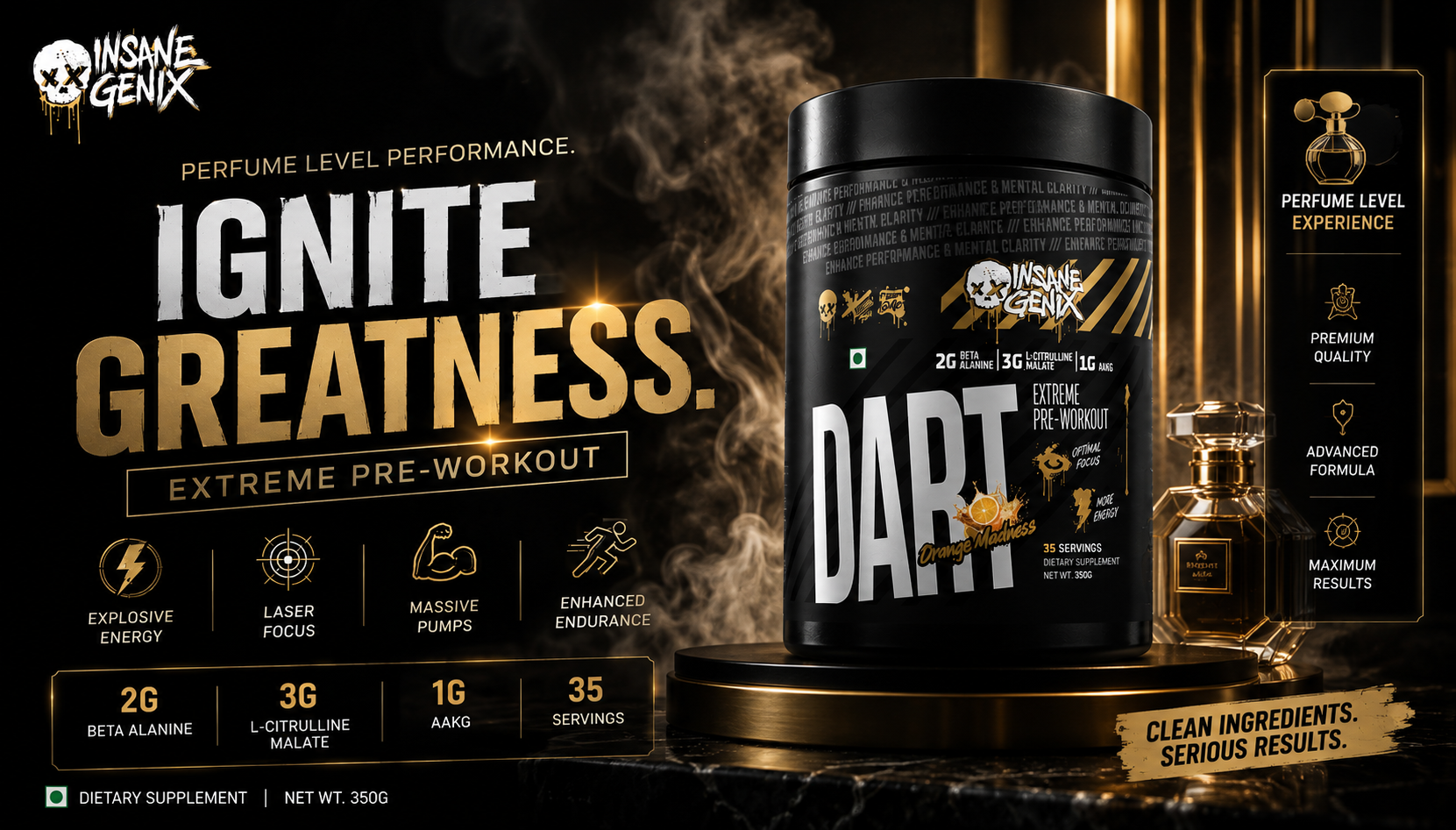
Best Fitness Pre Workout: How to Pick One That Actually Keeps Up With You
Fitness isn't one-size-fits-all — and neither should your pre-workout be. Here's how to choose a formula that actually keeps up with your training, whatever that looks like.
Read article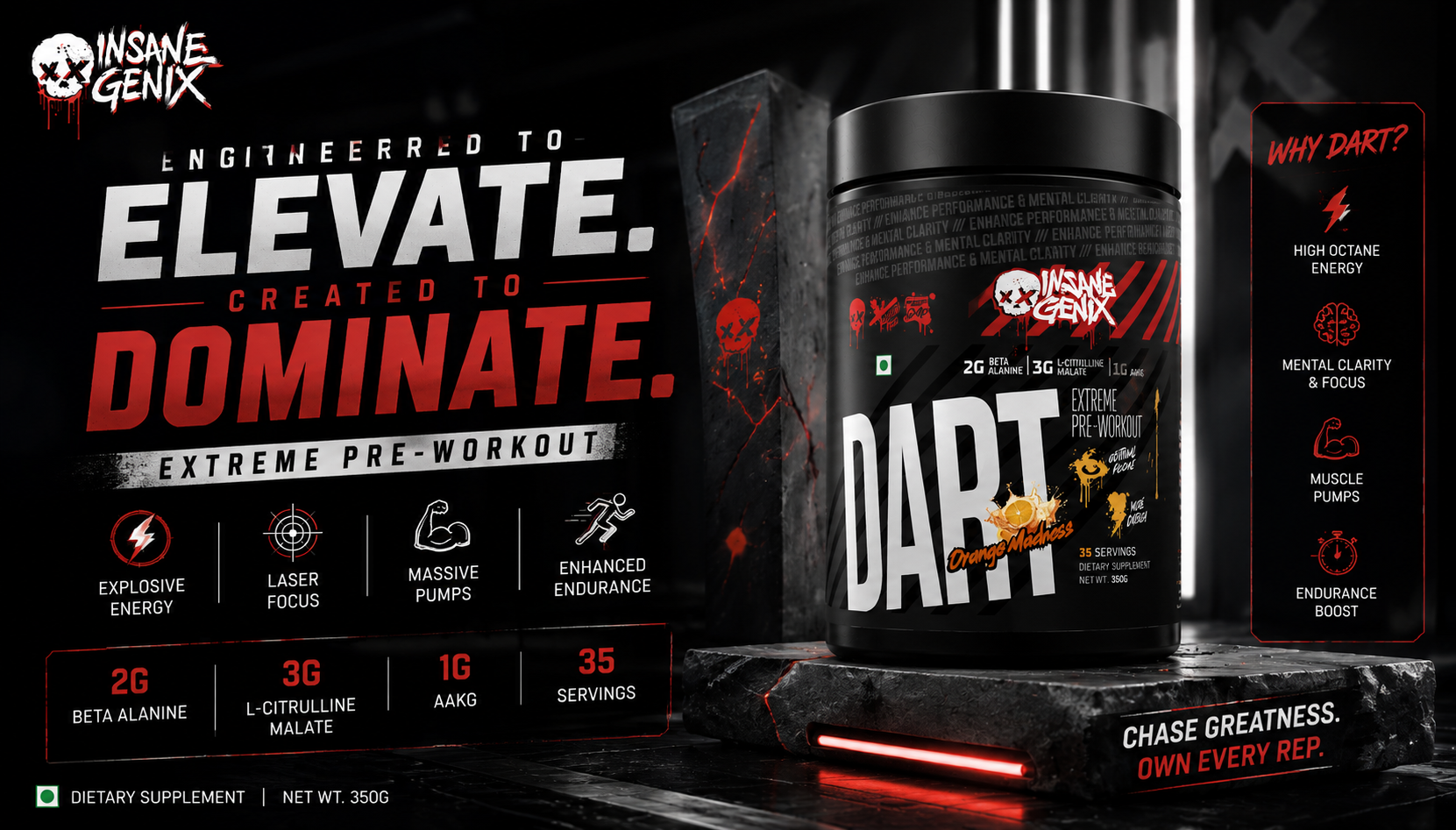
Best Pre Workout Powder for Gym: What's Actually in Your Scoop
Every gym bag has one — a tub of pre-workout powder. But not all of them earn their spot. Here's how to tell a genuinely effective formula from a flashy label.
Read article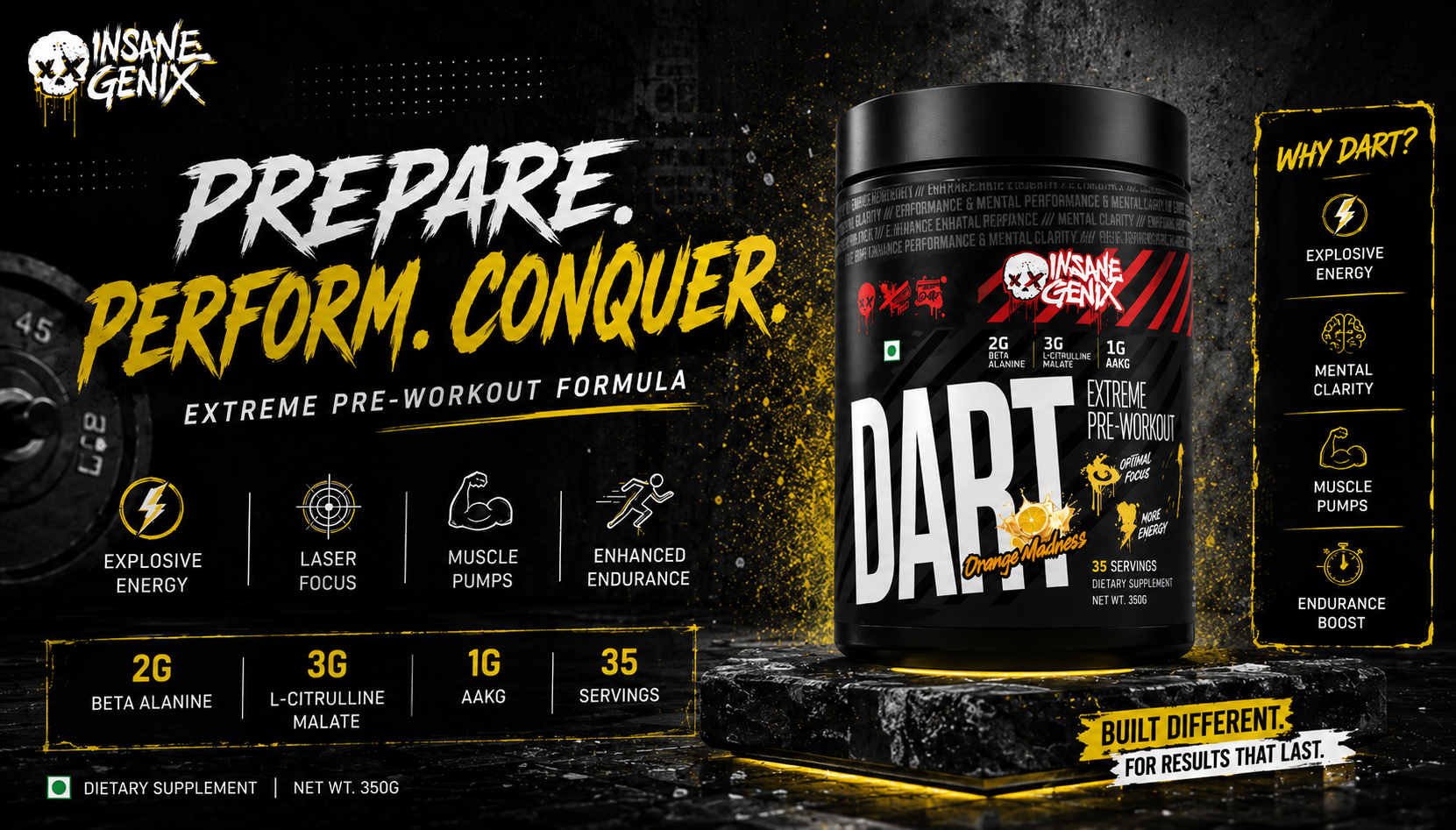
Pre Workout for Focus: Why the Best Sessions Start in Your Head
Strength isn't just physical — it starts in your head. Here's why mental focus might be the most underrated part of your training, and how to train it right.
Read article